Have you ever thought about the different stages you have to work through in order to write a book? It isn’t as simple as deciding to write a book and sitting down to get on with it…!
I have realised that for each book I write, I tend to go through the same series of steps. How long each step takes depends on the length of book I’m writing, but the activities for each steps always roughly the same.
Here are the first four of the eight stages I tend to use – I’ll put the next four in a separate post in a week or so.
1. The Idea Stage
The first step in writing a book is to have an idea. It sounds obvious, but the thing is, without a strong idea, your book will be boring and no one will want to read it! Your idea has to be strong enough to make your book interesting and different to all the books that have been written before. The tricky thing with ideas, though, is that you can’t sit down and make yourself have one – or at least, if you do, it probably won’t be very good! Ideas can pop into your head at any time and good ones need to be captured.
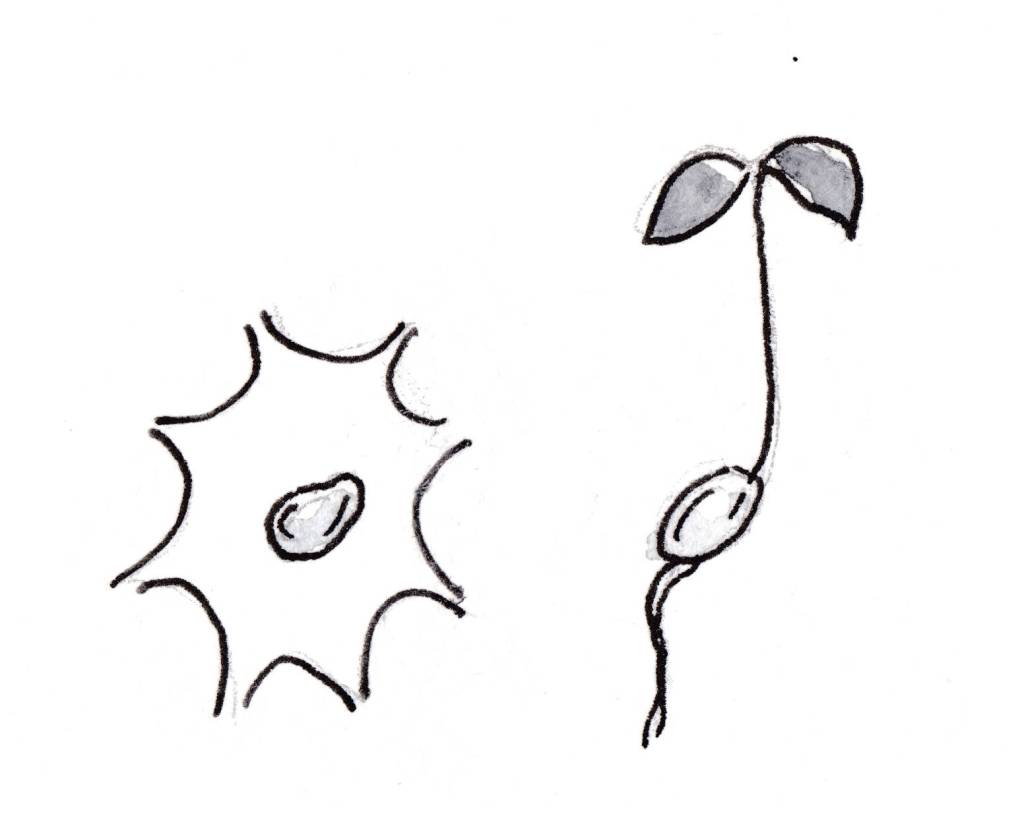
The idea is just a starting point, like a seed. It won’t come into your head as a whole story with a beginning, middle and end. It will just he a thought, like “wouldn’t it be interesting if…” or “I wonder what would happen…” Your idea needs to be exciting and fascinating enough to you for you to want to write a whole book about it. If you aren’t excited by it, then other people won’t be! Your enthusiasm needs to be enough to carry you through the weeks of hard work ahead…
“Caleb and the Incredible Counting Machine” started as a conversation between me and my son, Caleb, where one of us said “wouldn’t it be amazing if there was a machine that could tell you exactly how many there were of anything you could think of…” And a story was born!
2. The Brewing Stage
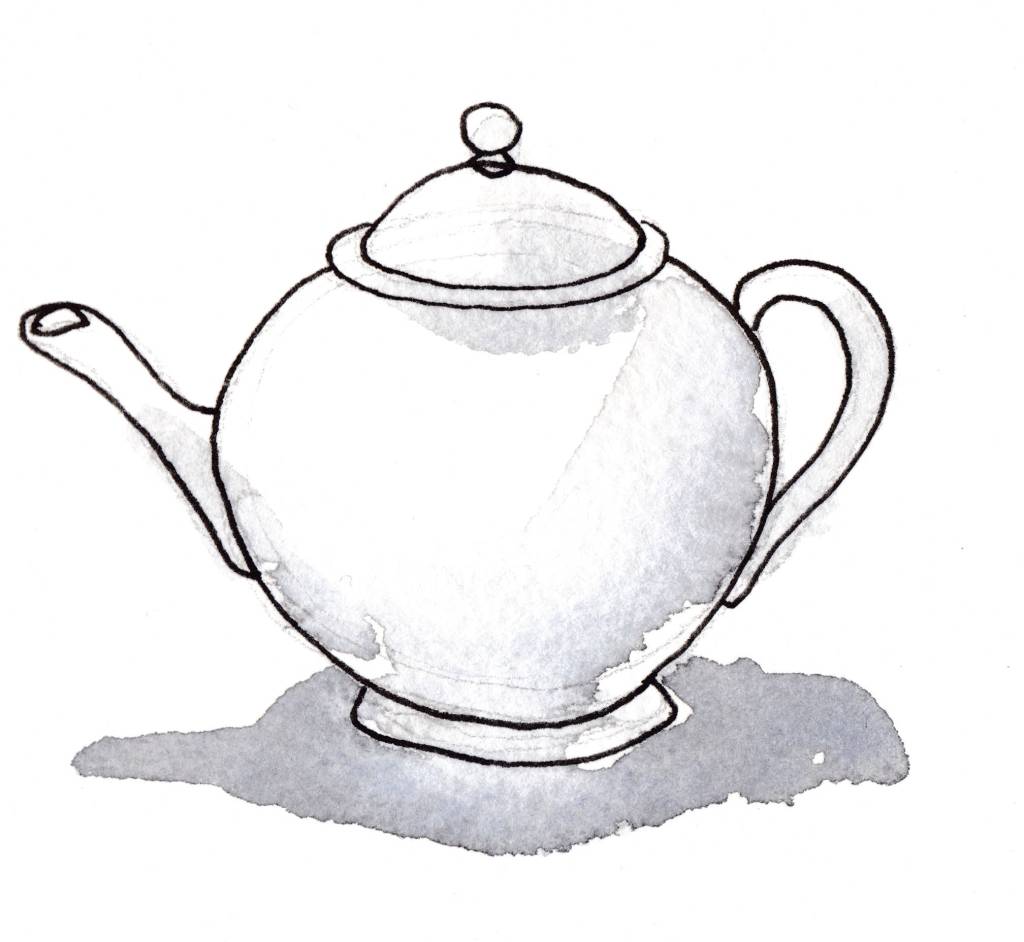
You can’t easily jump from having an idea to sitting down and writing a book. I normally let the idea brew, like a pot of tea, for a few weeks first (though I wouldn’t recommend letting tea brew that long!) During this phase I turn the idea over in my head as I cycle around town and wash the dishes, and start to think about key events in the story, ideas for characters and backdrops to the action (like a castle or an island).
I don’t tend to write anything down at this stage, though I expect some writers do. For that reason, I tend to work towards several key “stepping stones” for the story; a few points I need to reach, but not necessarily how I will get from one to the other. I enjoy the fact that as you write ideas will occur to you and the book can take some twists and turns you weren’t expecting!
With “Caleb and the Incredible Counting Machine”, I only had a few stepping stones in mind when I started to write. I can’t remember them all, but it would have been things like the Russians trying to steal the machine at the Patent Office and being taken back to Prince John’s castle. Much of the story evolved as I wrote it.
3. The Getting Started Stage
You might not think this is worth a step of its own, but in my experience, one of the hardest things about writing a book is deciding it is time to start and putting the first few words down. You are so conscious of the white page in front of you and the thought that over the coming weeks there need to be hundreds of words written, you can easily end up feeling paralysed!
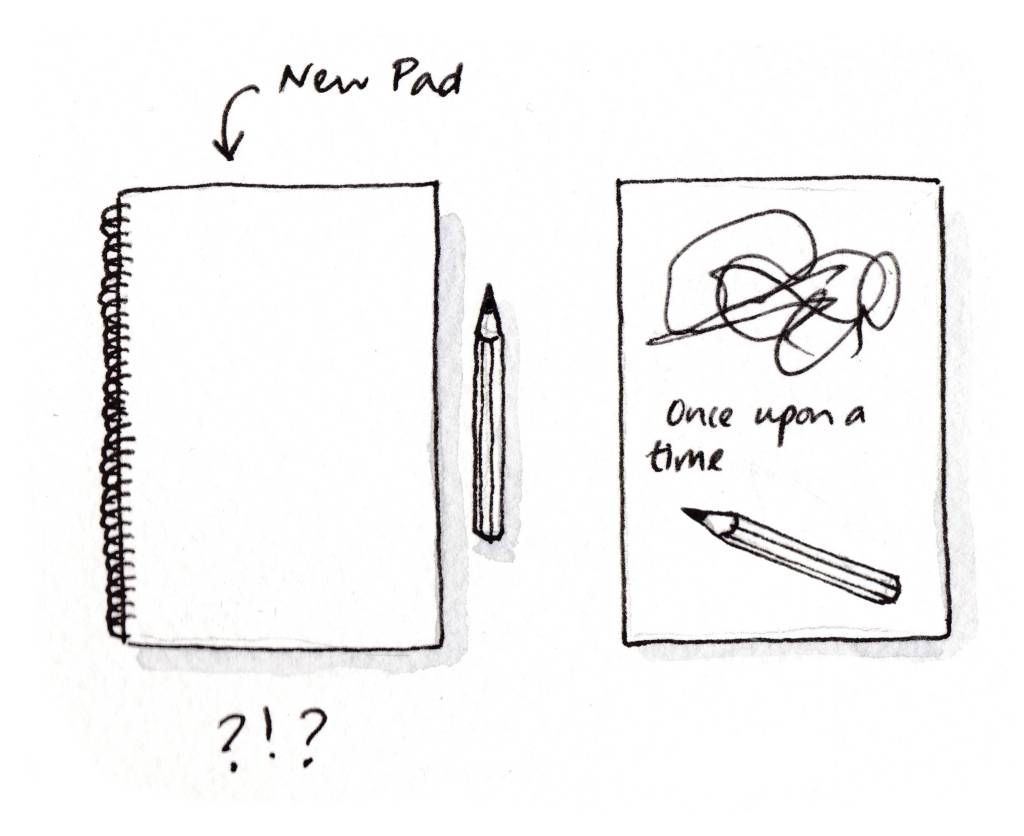
I usually tell myself that the first sentences I write will probably not be very good and that I can come back and write them again later. The important thing is to start. That usually helps me relax a bit and start typing the first words…
With “Caleb and the All-Seeing Glasses”, I re-wrote the opening paragraphs about four times! If you have worked at a passage too much then you start to struggle to read it with “fresh” eyes, and as someone new to the book might. That is when you need to put it aside for a few weeks and come back to it later…
The Hard Slog Stage
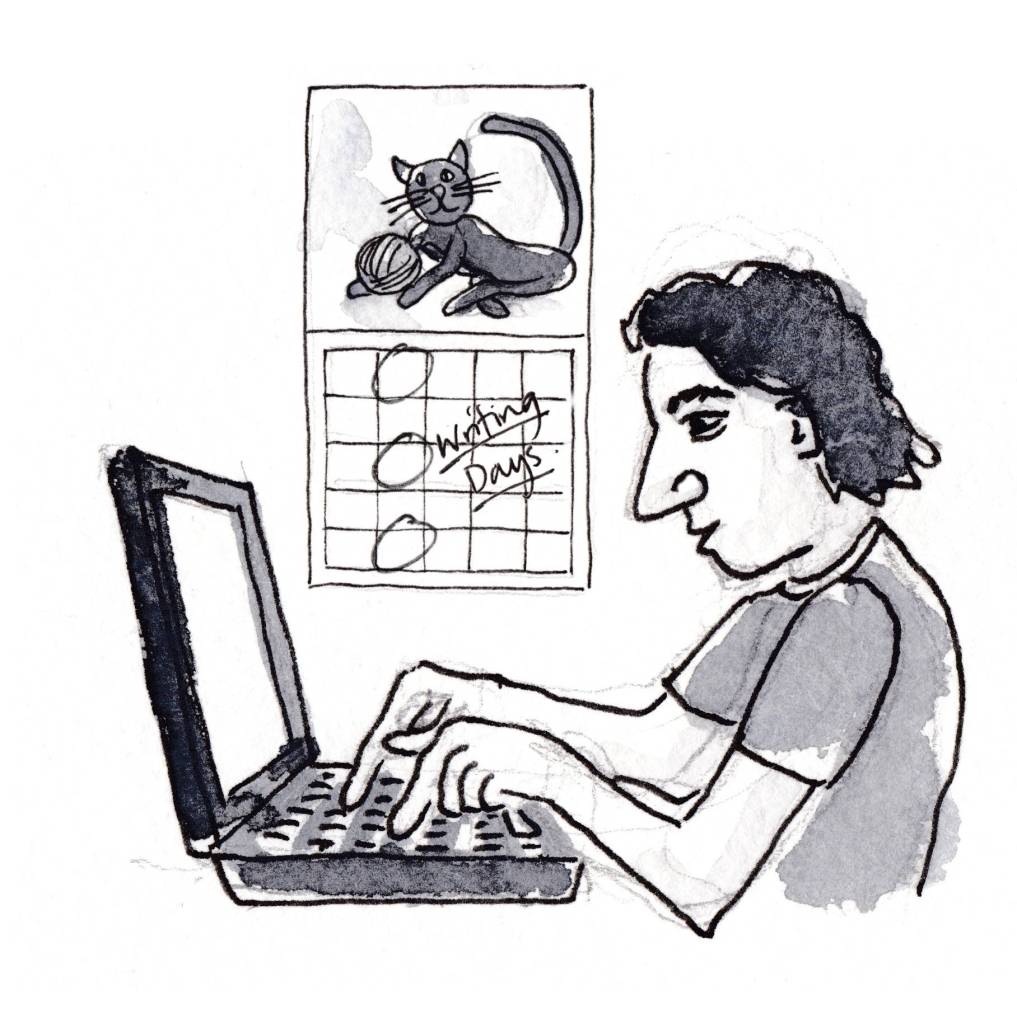
Books don’t write themselves! You have to sit down and write a few pages at regular intervals if you are going to complete the job. I expect some successful writers write every day, but I tend to set aside a couple of mornings a week, when I am fresh and know there won’t be other distractions. Everyone is different and you need to find what works for you. The crucial thing is to have a regular time you set aside for writing and to protect it from other things that might interfere.
Of course, if you are writing your first book, it is a good idea not to be too ambitious. Aim for something you can get done over a weekend, while the ideas are fresh, and so it doesn’t become a chore.
I wrote the book “The Red Car” (which you can find on Amazon Kindle) in a single day! I had an idea for a children’s book about the referendum to leave the European Union, but I was busy with lots of other things, so I thought, if I’m going to do this, I need to clear one day and get it done! (It took me longer do the final editing and to get it ready for uploading, but the first draft was done in a day.)
 Caleb and the Inventions